0417-3297722

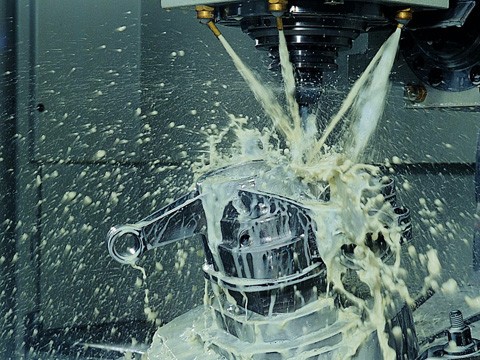
Metal cutting fluid is often referred to as cutting fluid. So, what is the function of cutting fluid?
1. Lubrication
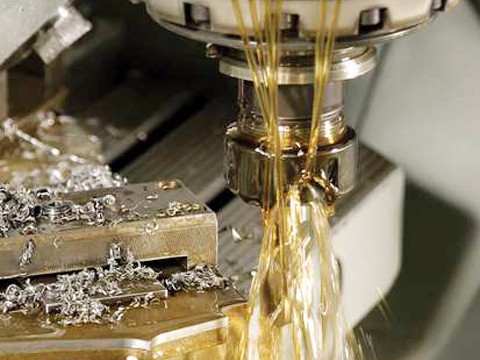
The lubricating effect of cutting fluid during the cutting process can reduce the friction between the cutting tool surface and the chip and workpiece surface, form a partial lubricating film, thereby reducing the cutting force, minimizing tool wear, ensuring smooth cutting, and improving the cutting performance of the workpiece material. During the grinding process, after the grinding fluid is added, it seeps into the Spaces between the grinding wheel grains and the workpiece as well as between the grinding grains and the grinding chips, forming a lubricating film. This reduces the friction at the interfaces, prevents the wear of the cutting edges of the grinding grains and the adhesion of the chips, thereby reducing the grinding force and frictional heat, and improving the durability of the cutting tools and the surface quality of the workpiece.
2. Cooling
The cooling effect of cutting fluid is achieved through the convection and vaporization between it and the heated cutting tool or grinding wheel chips and the workpiece, which takes away the heat generated during the cutting of the workpiece, thereby effectively reducing the cutting temperature, minimizing the thermal deformation of the workpiece and the tool, maintaining the hardness of the tool, improving the machining accuracy and tool durability, and preventing the oxidation of the workpiece surface. The cooling performance of cutting fluid is related to its thermal conductivity, specific heat, heat of vaporization, as well as viscosity or fluidity. The thermal conductivity and specific heat of water are both higher than those of oil. Therefore, the cooling performance of water is superior to that of oil. In this regard, the cooling performance of water-soluble cutting fluid is better than that of pure oil-based cutting oil.
3. Cleaning
In the metal cutting process, it is required that the cutting fluid has a good cleaning effect. It can quickly remove the chips on the surface of the workpiece, prevent the chips from scratching the surface of the workpiece, remove the generated chips, grinding swarf, iron powder, oil stains and sand grains, prevent the contamination of machine tools, workpieces and cutting tools, keep the cutting edge of the cutting tool or grinding wheel sharp, and not affect the cutting effect. For oil-based cutting oils, the lower the viscosity, the stronger the cleaning ability. Especially for cutting oils containing light components such as kerosene and diesel, their penetration and cleaning performance are even better. Water-based cutting fluid containing surfactants has a better cleaning effect because it can form an adsorption film on the surface, preventing particles and oil sludge from adhering to the workpiece, tool and grinding wheel. At the same time, it can penetrate into the interface where particles and oil sludge adhere, separate them from the interface and carry them away with the cutting fluid, keeping the interface clean
4. Rust prevention
During the metal cutting process, the workpiece comes into contact with corrosive media such as oil sludge produced by the decomposition or oxidation of environmental media and the components of the cutting fluid, and thus gets corroded. The surfaces of machine tool parts in contact with the cutting fluid will also be corroded as a result. In addition, when the workpiece is temporarily stored after processing or during the transfer between processes, the cutting fluid is also required to have a certain anti-rust ability to prevent corrosive substances such as environmental media and oil sludge remaining in the cutting fluid from eroding the metal. Especially in the humid and rainy season in southern China, more attention should be paid to rust prevention measures between processes.